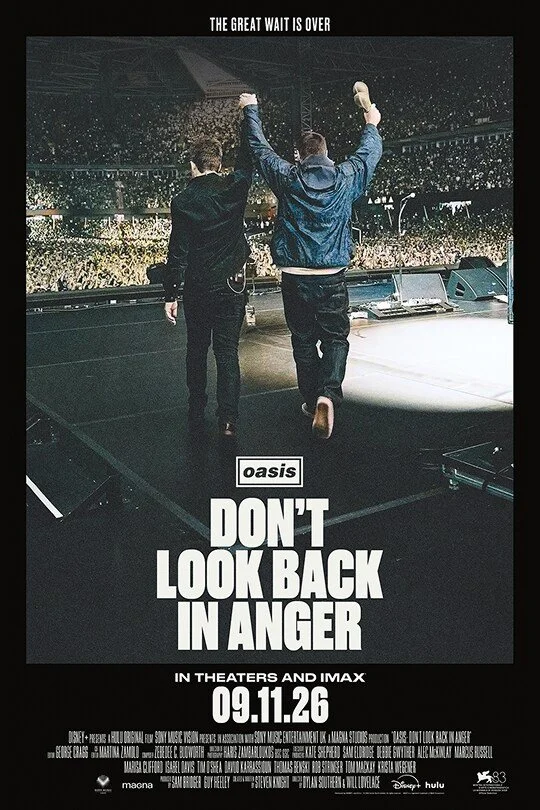
I was looking back in anger
I remember someone of some supposed importance claiming that Oasis was the second coming of The Beatles — a John and Paul for our generation. As if that was even possible. I wanted so badly to believe that. I was tiring of the darkness, piss and vinegar of the grunge sound.
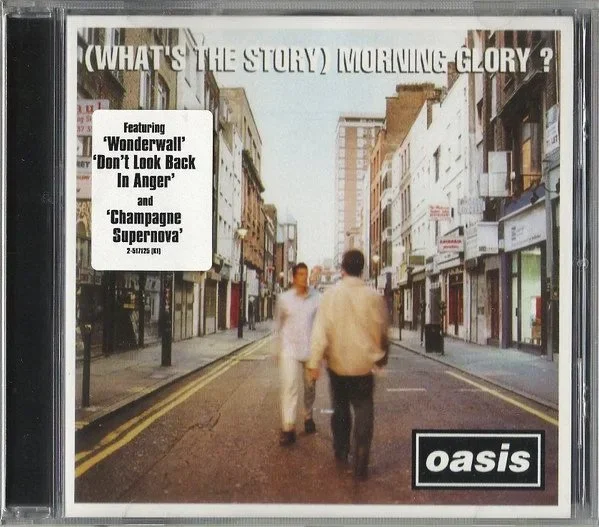
It was the mid-90s, and you couldn’t walk down a street in Manhattan without hearing Oasis’ album (What’s the Story) Morning Glory? pouring through the door of at least one bar. There was a fresh, sustaining, sonic sound pierced by Noel’s guitar and Liam’s voice. The album was getting heavy playtime on my CD walkman, the jukebox of my watering hole, and all our stereo systems. You didn’t have to read the liner notes to decipher the lyrics. The songs begged us to crank the volume and sing along.
It was the sound of my summer of ‘96.
My memory is hazy where things fractured and I fell out of love with the band. I think it was around 1999. The rumors of the brothers’ intolerance for one another was confirmed by the music rags. Their first three albums seemed unattainable now, and (unlike The Beatles) they weren’t evolving. They were plateauing and even descending into an angry, drug and alcohol-induced caricature of themselves. Their White Album never came. And I moved on.
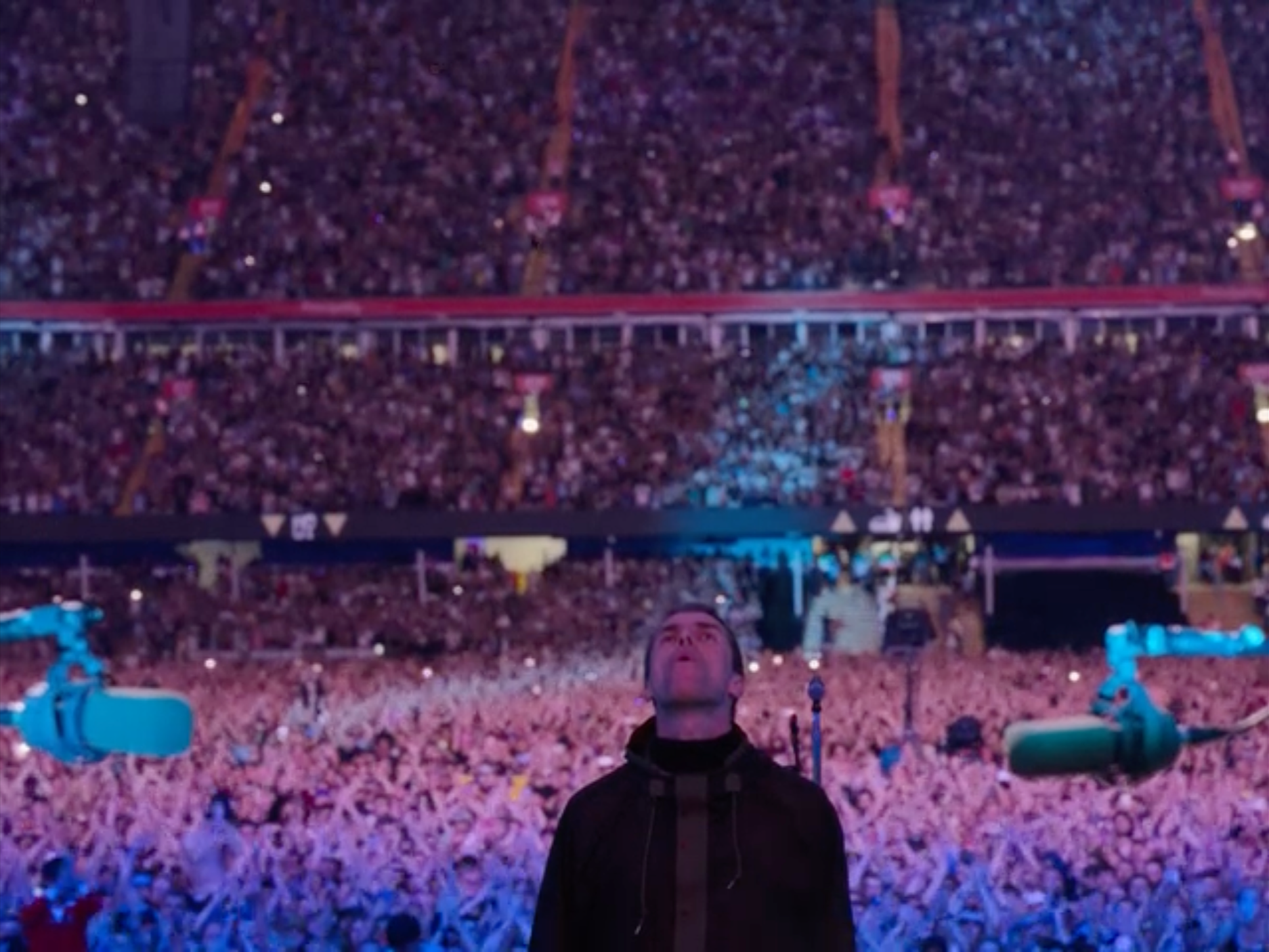
I resented them for never getting their shit together, for never reaching their full potential — finally imploding for good in 2009. Freakin’ dramatic rock-n-rollers gotta squander their talents and screw it all up for their fans.
This afternoon, I walked into the movie theater to see the Oasis documentary Don’t Look Back In Anger expecting to see a train wreck of a band obliterated by their egos while faking their way through a tour in order to make a few million dollars. Instead, I went down a nostalgic wormhole that tapped into the youthful idealism of my 20-something self — all framed through my aging eyes and the graying heads of two brothers who gifted the audience (via their concerts and this documentary) a story of forgiveness, family, community, love, and the healing power of music — personally, locally, and globally.
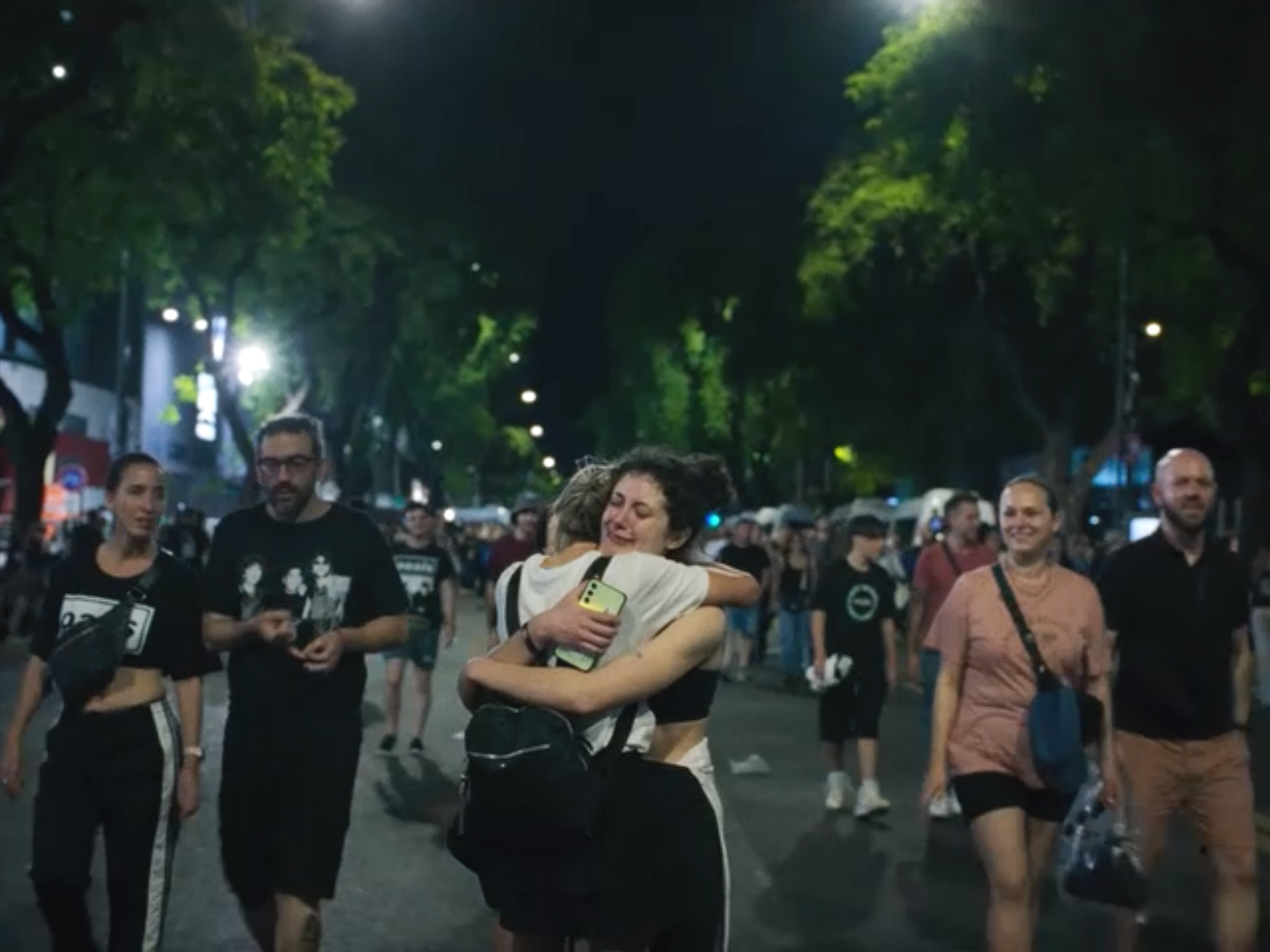
Directors Will Lovelace and Dylan Southern, along with writer Steven Knight, shepherded a brilliant piece of moviemaking that had me laughing, singing way too loud, and misty-eyed. The story they constructed was about the fans as much as it was the brothers. Half of the footage is of concert-goers — singing, dancing, their eyes full of tears as they sang along or came to terms with the concert’s end.
The audience’s reception seemed to move the Gallagher brothers to tears onstage. Maybe it was regret for the lost years, the inability to forgive each other, or the realization that they had done a great injustice to their fans who came out in the hundreds of thousands to show that it was all water under the bridge as long they could scream out Champagne Supernova for the closing song. No matter the reason, it happened. Finally.
As corny as it sounds, there was this thread that became very apparent early on: if these two unredeemables could reconcile in such epic form, then maybe we have a reason to be hopeful against all of the global dysfunction and hate that keeps us apart and staring at our screens. To paraphrase Noel at the end, it’s about treating each other with kindness, having fun, and coming together to rise above all these negative forces — if we could “just put the fookin’ phones down.”
Amen.